Discover Alsace Region & Wines
Stories from the vines and wines worth sharing.
What is the best way to discover Alsace?
Slowly...
… cycling along the winding vineyard roads, with local wine professionals who live here to show you the way.
On these pages, you’ll find Juan’s personal perspectives on the region, winemakers, wine philosophy, landscapes, and stories from the vines and wines worth sharing.
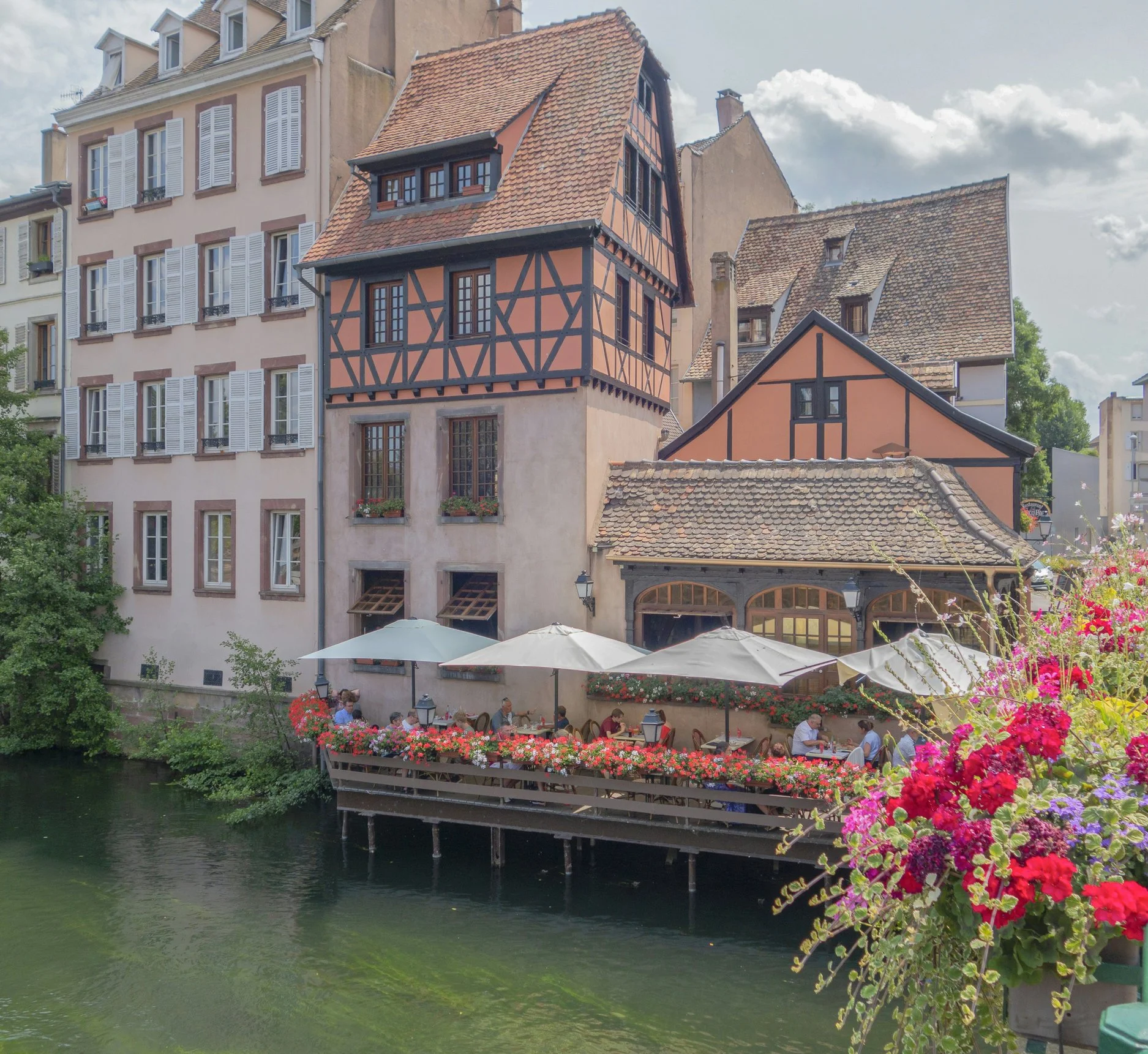
Michelin Restaurants Alsace
For serious foodies and enthusiasts of fine dining. Juan puts together a list of the top Michelin restaurants from Colmar to Barr in Alsace, France. He is slowly working his way through them, eating and enjoying every single one.
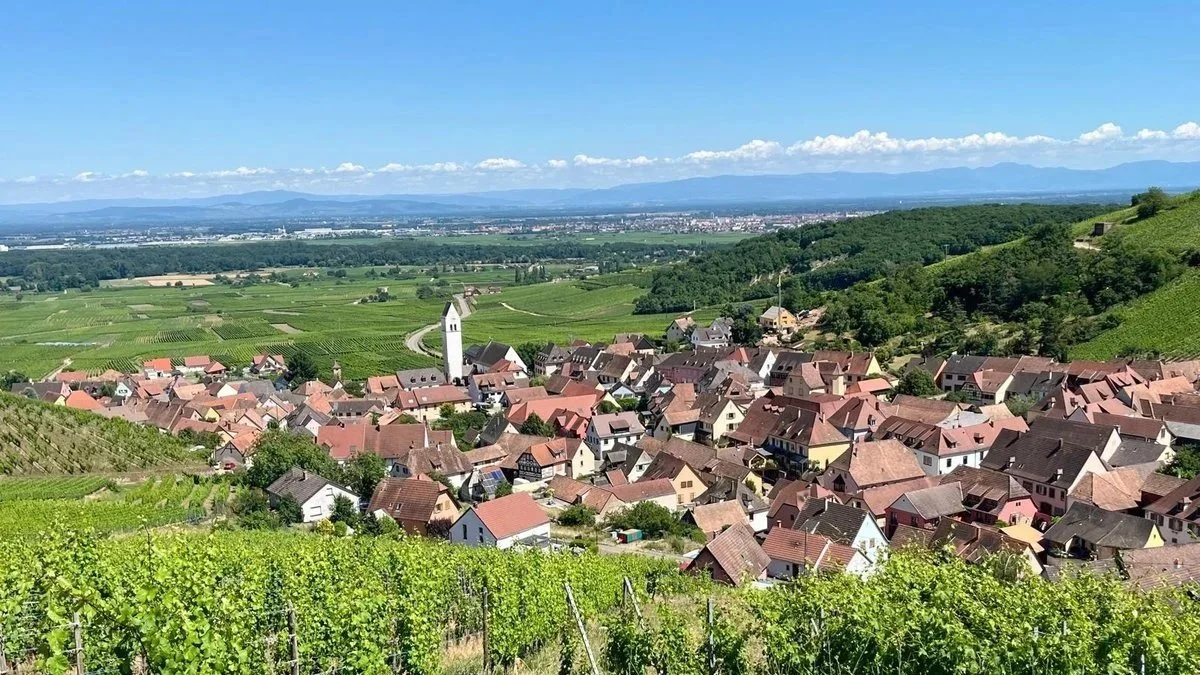
Why the Alsace Wine Region?
In Alsace, the winemaker is the wine. Juan shares why this intimate, human-scale region — where family domaines outnumber industrial producers and biodynamic farming thrives — is the only place he'd ever call home for wine.
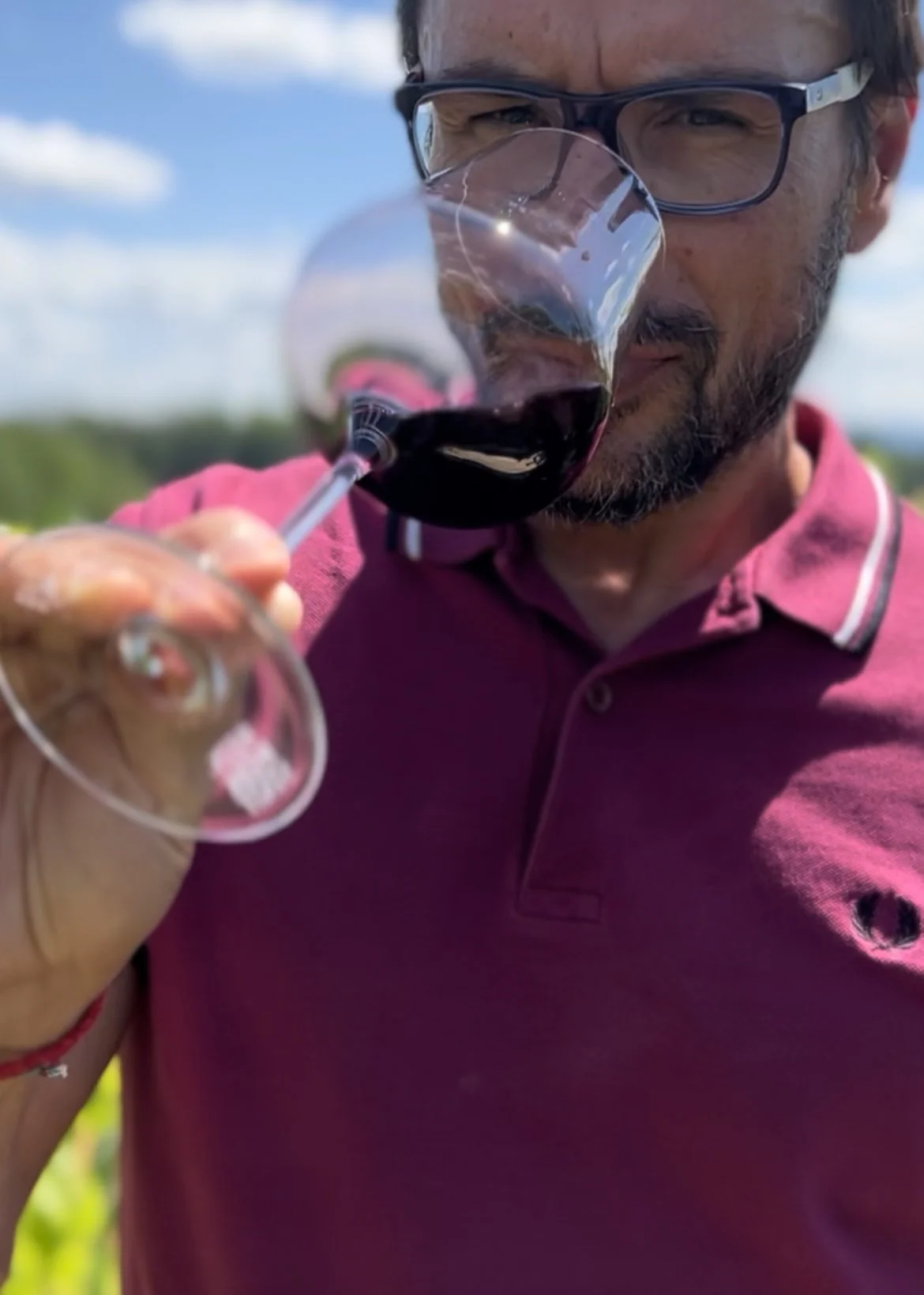
The Human Side of Terroir
Same grape. Same Grand Cru. Same vintage. So why do two wines taste nothing alike? Juan argues that terroir without the human story is only half the picture — and that connecting wine drinkers to the people behind the bottle is more powerful than any soil lecture.
Frequently Asked Questions about the Alsace Region & Wines
-
I did not choose Alsace by accident. I chose it because it is fertile ground for the kind of wine humans I admire most — the ones who put in the effort, the sweat and tears, and the time to create amazing wines.
The Alsace Wine Route stretches 170 kilometres from north to south, threading through some of the most quietly beautiful landscapes in Europe. Quaint, petite, colourful villages. Medieval castles watching over the vines. And at every turn, small family domaines with great wines.
Seven grape varietals. Riesling the “King” and newcomer “Pinot Noir”. Fifty one unique Grand Cru vineyards. Wines that exude freshness, elegance and potential for longevity.
What is there not to like?
Source: The Alsace Wine Route – visit.alsace -
If you are coming to Alsace for the wine, and I hope you are, where you to stay is important. Not just for comfort, but for proximity to the vines, the villages, and most revered domaines.
Colmar is the queen of the Wine Route. The Vosges offer more protection here and a wide concentration of Grand Cru vineyards are closer to the city. Staying here puts you at the heart of everything, and properties like La Maison des Têtes, Hostellerie Le Maréchal, and Le Colombier will make you feel like you have arrived somewhere truly special.
Nearby Colmar, Kaysersberg presents a gem if you stay at Le Chambard with a two-stars restaurant overlooking the Schlossberg Grand Cru.
Further up the route, Barr offers the 5 Terres Hôtel and Spa — a perfect base for exploring the northern Grand Crus. Saint-Hippolyte and Mittelwihr sit quietly among the vines, with Hôtel Le Parc and Hôtel Le Mandelberg respectively. And the charming village of Itterswiller is home to Hôtel Restaurant Arnold — the kind of place that makes you want to stay one more night. Always one more night.
Source: Favourite Accommodation on the Alsatian Wine Route – visit.alsace
-
For serious food humans and lovers of fine dining.
I can relate to great chefs the way I relate to great winemakers. They are artists. Alsace, thankfully, has a large number of these artists. One day, I will visit them all. Working my way slowly, one fork at a time.See the list I put together on my recent blog post
-
The honest answer? Alsace is worth visiting in every season. But let me tell you what each one feels like:
Spring is a gentle awakening. Biking season starts. The vineyards shake off the winter, the markets fill up with fresh local produce, and cycling through the vines in the early sunshine is one of life's quietly perfect pleasures. Hundreds of kilometres of bike routes await — and yes, I have cycled the big majority of them.
Summer brings the festivals. Villages along the Wine Route come alive one after another, the winegrowers open their doors, and the evenings are long and warm and full of great wine.
Autumn is my personal favourite. Harvest season. Action packed. The vines turn gold and red, the air smells of fermenting grapes, and every domaine comes alive with energy, some of them cannot be visited because the families are 100% focused on the harvest. But this is when Alsace reveals its true colours.
Winter is something else entirely — the most famous Christmas markets in the world, spa retreats in the Vosges mountains, and a glass of “Vin Chaud” (Mulled Wine) that warms you from the inside out.
Come when you can and stay longer than you planned!
Source Visit.Alsace: Springtime in Alsace | Summer in Alsace | Autumn in Alsace | Winter in Alsace
-
I know why you are coming. The wines. The domaines. The Grand Crus. But Alsace will surprise you with how much more it has to offer, and I say this as someone who arrived for the wine and never quite left :-)
Alsace has over 17,000 kilometres of marked hiking trails, including the legendary GR5 long-distance route across the Vosges mountains. It has more than 2,500 kilometres of cycling paths — earning its reputation as one of France's great cycling destinations (that I like!). In winter, the Vosges deliver downhill skiing, cross-country trails, snowshoeing, and even dogsled outings.
For those drawn to history — and wine people often are, because understanding place is everything. Alsace has the highest density of medieval castles in Europe. The fertile, rich plain of the Rhine has always being contested and needed defending. Stone sentinels perched along the Vosges crests, watching over the plain below. My favourite is perched at the top of Grand cru du Wineck-Schlossberg - my prefect spot for spontaneous tasting with a view!
The most famous, renovated and most visited is the Château Haut- Koenigsbourg.
There are rivers to kayak, skies to explore by hot-air balloon, and wildlife parks for families. There is the extraordinary Ecomusée d'Alsace, where the traditions of a whole culture are kept lovingly alive.
And then there are the chocolate-box beautiful villages. You will cycle through one and think it cannot get better. Then you will arrive at the next one.
Source: Activities & Recreation – visit.alsace | Castles of Alsace – visit.alsace
-
After thirteen years living in the UK you get to loved and enjoy the Pub culture. One of the things I missed the most.
In Alsace the Winstub is more restaurant like and wine driving than beer and without that cozy atmosphere to hang around, play board games and let the Sunday afternoon drift away.
A Winstub, literally "wine room”, closer to the Parisian brasserie or the Lyonnais bouchon, is a convivial tavern where wooden tables, hearty regional dishes and a good glass of Riesling are the order of the day.
Here are the ones I have personally eaten at and can recommend. My favourite grub for sure: Choucroute d'Alsace (or Choucroute Garnie)
1. La Winstub du Chambard — Kaysersberg The most prestigious winstub in Alsace, tucked inside the legendary Relais & Châteaux hotel Le Chambard in one of France's most beautiful villages. Chef Olivier Nasti, a Meilleur Ouvrier de France, brings a contemporary touch to iconic Alsatian ingredients Lechambard — expect a superb choucroute, onion tart, snails, and game in season. The wine list, curated by sommelier Jean-Baptiste Klein, is exceptional. Book well in advance. 📍 Kaysersberg | 🌐 lechambard.fr
2. Au Pont Corbeau — Strasbourg Behind bottle-bottom windows hides a landmark of Strasbourg's heritage — the city's last family-run winstub. Gault&Millau Now run by Coralie Andt, the menu is a marvel of traditional Alsatian cooking: one of the best choucroutes in the city, presskopf (Alsatian head cheese), matjes herring, spätzle, and grilled ham hock. C'est meilleur quand c'est bon The natural wine list, with over 13,000 bottles, is legendary. Reservations are essential. 📍 21 quai Saint-Nicolas, Strasbourg | 🌐 aupontcorbeau.fr
3. Auberge Saint Alexis — Near Kaysersberg/Riquewihr At the foot of the Seelbourg and Koenigstuhl, at 650 metres altitude, stands an ancient farm and a small chapel, run by the Barlier-Ertlé family since 1930. Route des Vins d'Alsace This is a true mountain inn reachable by forest road or on foot — a favourite with hikers. The menu offers omelettes, choucroute, braised ham, Munster tartiflette, farm rooster and game, all at honest prices. Petit Futé A hidden gem that feels like stepping back in time. 📍 Lieu-dit Saint-Alexis, Kaysersberg Vignoble | 🌐 saintalexis.fr
4. Winstub Le Clou — Strasbourg Founded by a Monsieur Nagel (whose name means "nail" in German/Alsatian), Le Clou is right in the heart of Strasbourg's golden quarter, close to the cathedral. Winstub Le Clou It has hosted everyone from politicians to rock stars over the decades. The famous Stammtisch — a shared communal table where strangers sit side by side and inevitably part as old friends — perfectly sums up the winstub spirit. Winstub Le Clou Classic Alsatian dishes, generous portions, great atmosphere. 📍 3 rue du Chaudron, Strasbourg | 🌐 le-clou.com
5. Hôtel-Restaurant Le Relais du Klevener — Heiligenstein A charming hotel-restaurant set in the heart of the Wine Route village of Heiligenstein, offering regional specialities and a panoramic terrace with views over the Alsace plain. Relais du Klevener A perfect lunch stop while exploring the northern vineyards, with the rare local Klevener de Heiligenstein grape featured on the wine list — straight from the owners' own estate. 📍 51 rue Principale, Heiligenstein | 🌐 relaisduklevener.com
6. La Grappe d'Or — Riquewihr This flower-decked house built in 1554 could not be more inviting, and the characteristic regional interior has lost none of its yesteryear appeal. MICHELIN Guide Chef Francis Becker works his terroir with care, adding personal touches to classics like cocotte of hot sesame-crusted Munster and trout stuffed with crayfish. Gault&Millau Three dining spaces — a main room, a vaulted cellar, and an intimate mezzanine — each with their own character. 📍 1 rue des Écuries Seigneuriales, Riquewihr | 🌐 restaurant-grappedor.com
7. Winstub Au Tire Bouchon — Riquewihr A traditional Winstub and a true institution of traditional Alsatian cuisine, Le Tire-Bouchon right on the main street of beautiful Riquewihr. Generous portions of foie gras, fish choucroute, tarte flambée and regional favourites served in a genuine, unfussy setting. A great option for families and large groups, with a lovely terrace. 📍 29 rue du Général de Gaulle, Riquewihr | 🌐 letirebouchon.fr
8. Caveau Heuhaus — Eguisheim Awarded the Maître Restaurateur distinction and listed with Tables et Auberges de France, Tourisme-alsace the Caveau Heuhaus sits in the heart of one of Alsace's most picturesque circular villages. A reliable address for traditional Alsatian cooking, with flammekueche among the highlights. The setting alone — cobbled streets, half-timbered houses — makes a meal here memorable. 📍 7 rue Monseigneur Stumpf, Eguisheim | 🌐 caveauheuhaus.co
9. L'Atelier de Béné — Eguisheim Béné welcomes you to her workshop and invites you to discover her homemade dishes. Originally from Alsace, she loves good things and her cooking reflects that: simple and gourmet, using exclusively local and seasonal produce. Visit Alsace - A charming, intimate spot — perfect for a long lunch of tarte flambée and local wines in the loveliest village in the region. 📍 6J rue du Rempart Sud, Eguisheim | 🌐 Facebook page
10. Au Bon Coin — Strasbourg A friendly, no-fuss neighbourhood winstub a short walk from the Strasbourg train station. Open weekday lunches and evenings Monday to Saturday, Auboncoindalsace it's a favourite with locals for honest Alsatian cooking at fair prices — tarte flambée, galettes de pommes de terre with Munster, regional meats and more. A genuine local canteen feel. 📍 38 rue Wimpheling, Strasbourg | 🌐 auboncoindalsace.com
11. Caveau Morakopf — Niedermorschwihr An ancestral cellar adorned with a "Moor's head" (the meaning of Morakopf in Alsatian) in a stained glass window — reportedly brought back from the Crusades by a local knight. Route des Vins d'Alsace Run by Céline and Austrian chef Lukas, the cosy, convivial decor with its banquettes, nooks, and striped fabrics extends to a lovely summer terrace at the rear. Route des Vins d'Alsace The cuisine is rooted in Alsatian tradition but handled with real finesse — a hidden gem in a hillside wine village near Colmar. 📍 7 rue des Trois Epis, Niedermorschwihr | 🌐 caveaumorakopf.fr
12. Winstub La Flammerie — Ribeauvillé Florence and Sophie have been faithful to their father's know-how for 30 years, offering a varied and savoury menu using quality local produce La Flammerie — with no tarte flambée in sight. Instead, everything here is slow-cooked and deeply satisfying: celebrated choucroute, jambonneau rôti au miel et bière, poêlon de pommes de terre au Munster. Featured on France 5's programme on the best winstubs in Alsace, La Flammerie this family address on Ribeauvillé's grand rue is not to be missed. 📍 9 Grand'Rue, Ribeauvillé | 🌐 winstub-ribeauville.com