Radio Vignoble News
~ Earlier Harvest ever ! ~
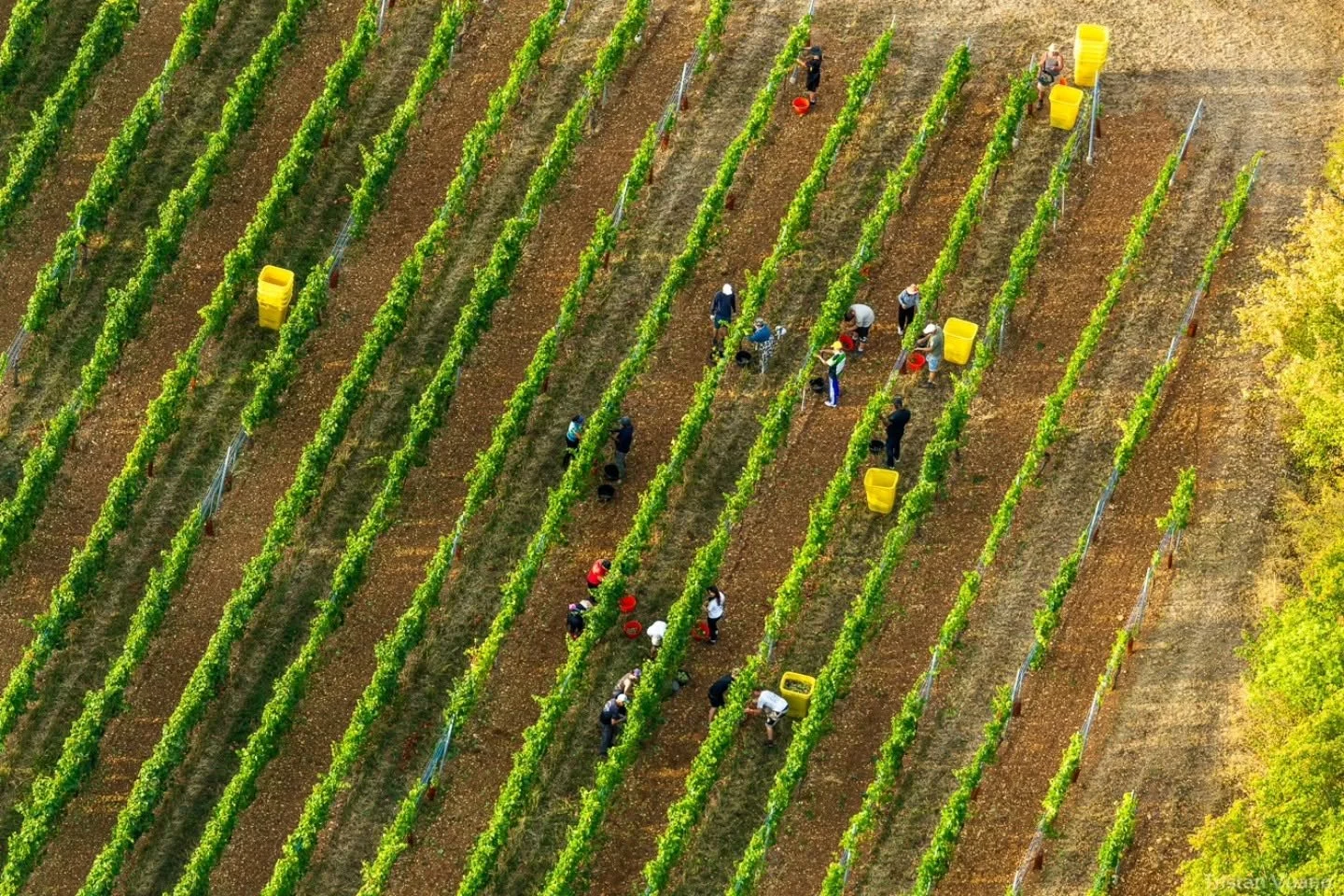
© Tristan Vuano
Across all regions, the earliness of the 2026 vintage will be long remembered !
This year, the first harvest day in Alsace was declared for Tuesday August 18th. This anticipated but unusual situation, made the entire wine industry scrambled to harvest grapes at peak ripeness for Crémants and still wines. Consequently, the first Vendanges Tardives (late harvest) picking day was declared for the 1st of September, the earliest late harvest day in history.
No more holidays, let’s harvest
The official start date for the grape harvest in Alsace (the "ban des vendanges") is set by the prefecture following a vote and consultation with the National Institute of Origin and Quality (INAO), the Alsace Winegrowers' Association (AVA), and the Alsace Wine Council, CIVA (Conseil Interprofessionnel des Vins d'Alsace). This year it was on Tuesday, August 18th, and by comparison, 10 years ago it was in mid-September.
Some winemakers had to come back from holidays earlier to begin the harvest! The grapes' fast development and maturation took some Domaines by surprise. A well-known family producer in Eguisheim even asked for permission to start earlier and began picking their Crémant grapes on August 12th. No more swim shorts, sea and Aperols Spritz! Let's harvest.
This vintage, winemakers had to juggle between Crémant and still wine grapes. For the first time, both were picked simultaneously. Usually, they begin with the Crémant to limit potential alcohol levels and preserve acidity, but some locations destined for still regional AOC wines had already reached good maturity levels. Pinot Gris and Gewurztraminer were already ripe, alongside the early-maturing Pinot Blanc.
In spite of Crémant's sales popularity, a few producers decided not to produce Crémant d'Alsace at all this year, because the grapes were too high in sugar for them.
Never before had Crémant and still wines been picked together, and both depend on acidity and freshness. If you add the vines' natural survival instinct to shut down above 35°C, the window to nail the ideal harvest time was very short this year!
Another element was the overall lack of rain and water: very small berries, little juice in the press and lower wine quantities. But the saddest sight for us was the burnt and dry vines across the plain known as La Hardt (around the town of Colmar), used for lower-level Crémant grapes. Hardt means "furnace" or "oven" in the local Alsatian dialect. The majority of the younger vines on this flat alluvial plain, made of sandy soil packed with river stones, did not stand a chance.
Climate change effects in Alsace? - Report 1
Alsace vineyards are semi-continental. The vineyards are indeed sheltered by the Vosges Massif, which acts as a natural barrier and gives the region the lowest rainfall in France. This factor reduces the risk of rot and helps limit vineyard treatments. The proximity of a watercourse—the Rhine—also provides Alsace with a unique microclimate. But if it’s less than “no rain” are we in a drought ?
We were already running a rain deficit compared to normal levels by March. In April, we received 15 mm of rain, whereas the average in recent years had been 80 mm. So, from May, wine industry considered herself to be in a drought.
On top of the lack of water, we faced historically high temperatures; we experienced the hottest year on record for the region to date. Both minimum and maximum temperature records were broken.
Yet the rain did start falling in mid-August. We even got 50 mm in Colmar! This city is one of the driest cities in France. Low annual rainfall. That’s The Foehn effect : The peaks of the Vosges mountains block weather systems coming from the west. As the air descends the Alsatian slope, it dries out and warms up.
We had been eagerly awaiting the rain, even though it complicates matters right in the middle of the grape harvest. The rainfall was a godsend; it plumps up the grapes a little and gets the vegetation growing again. No seen any health issues caused by the moisture. The grapes were exceptionally healthy, free from rot, fungus, or other issues, allowing the bunches to be harvested at lightning speed.
Some varities were suffering : Riesling is the variety that dislikes dry conditions. But it’s less about the specific variety and more about the soil and root systems. Vines planted in light soils—which retain less water—suffered the most. We experienced a summer more typical of what Nîmes saw in the 1990s and 2000s. Consequently, our varieties—with the exception of Pinot Noir and Chardonnay, which adapt better—struggled. - Terre de Vins Magazine.
And despite repeated heatwaves over the summer (4 in Alsace, 3 in total country), acidity remained strong in the musts, lending a particularly welcome freshness to this hot vintage.
I keep saying it : do not forget that in Alsace, vineyard irrigation is not yet permitted—with the exception of small plots (using drip systems) facing annual drought, as authorized by the AVA (Association of Alsace Winegrowers) since 2023 only. Alsace’s vineyards and wines remain rich in complexity because most of the vines draw the water and minerals they need from deep underground. Will see what will comes in the futur, 5 years or more …
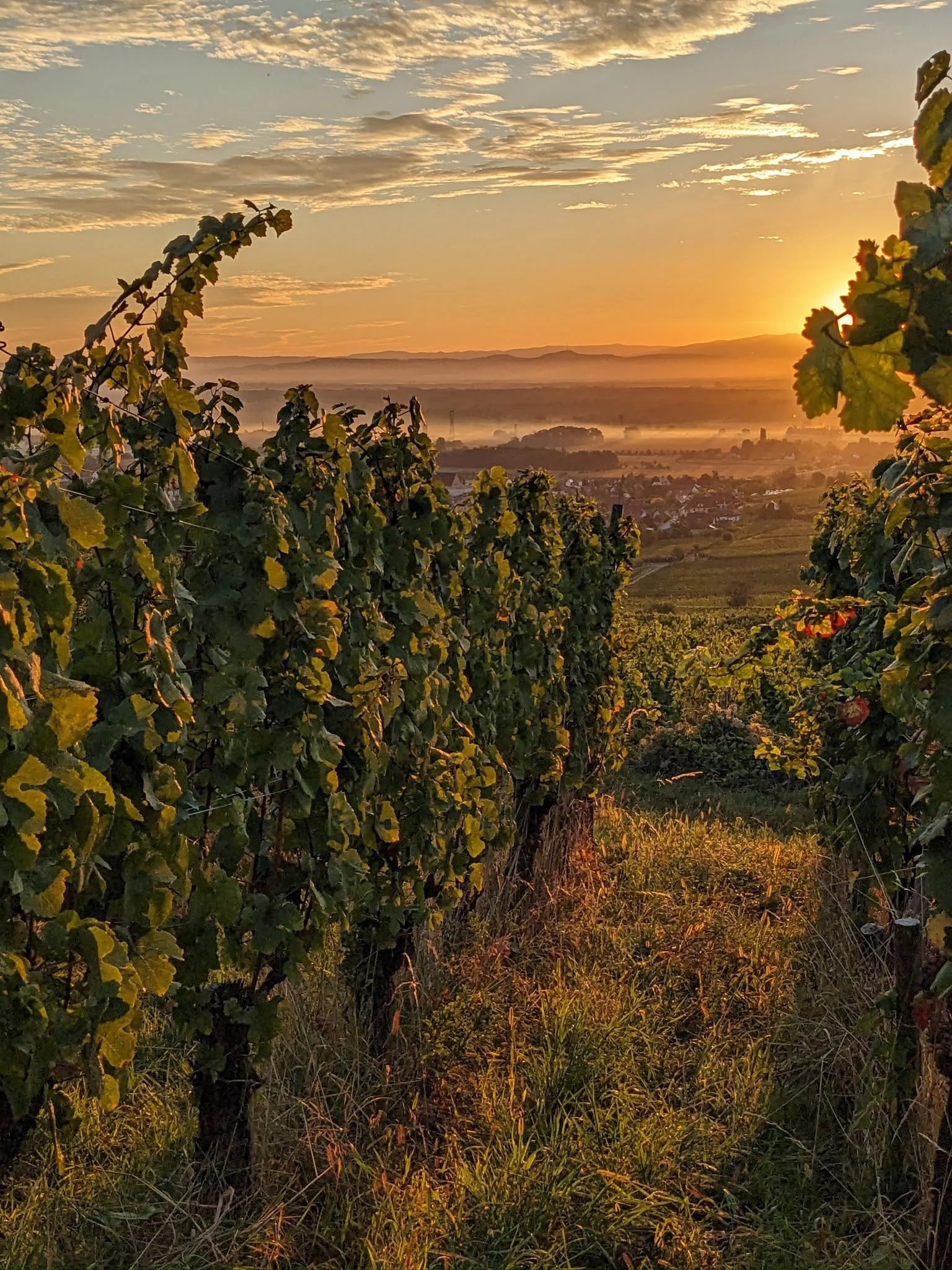
© Anaïs Wagner
How will get 2026 vintage.
While we were very pessimistic initially, we are pleasantly surprised at the end. Low yields were recorded. The swing of the fermentation process is close to be finished into cellars. The adventure of the 2026 vintage, however, just begon.
It was a fast-paced effort that certainly wouldn't have been the same without the differents team of pickers and delicious meals that were prepared by wineries or locals caterers !
The Predictions so far.
Lovely whites wines, similar to the 2016 vintage
Intense reds with good color, fairly ripe fruit
2 distincts strategies have emerged for Pinot Noir: harvest relatively early to preserve the fruit character, or wait to achieve greater concentration.
2026 vintage will be concentrate and balance with a very good quality because generally no selections into the vineyards had to be made by the pickers. Promising wonderful complexity in the wines to come.
Anaïs Wagner - Around Wine n’Souls
