The Future of Alsace
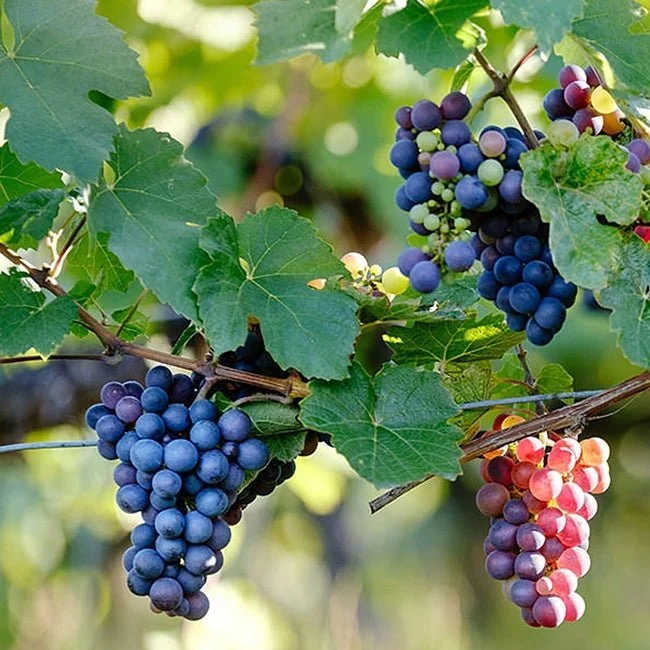
The Alsatian landscape is evolving to adapt to both present and future climate and style of consumption. Currently, 90% of the region’s wine production consists of white wine—with Gewurztraminer accounting for approximately 20%—while red wine, produced from Pinot Noir, makes up about 10%. Revue des Vins de France
Pinot Noir has experienced a resurgence, bolstered by its eligibility for three Grand Cru appellations—a significant mark of recognition from the industry !
As for Gewurztraminer, it has recently revealed new facets of its personality. Industry professionals remain captivated, as the variety continues to surprise—whether crafted as a dry white or through skin-contact (maceration) winemaking.
The revival of Pinot Noir : the new king of Alsace?
Rising prominence: Once known for being light and pale, Alsace Pinot Noir is gaining colour, structure and complexity. Today's climate is increasingly similar to that of Burgundy twenty years ago, creating the potential to produce Pinot Noirs that rival village-level Burgundies in quality, while offering significantly better value for money.
Official recognition: Pinot Noir reached an important milestone in 2022 when it was granted Grand Cru status in two appellations: Hengst (Wintzenheim, Haut-Rhin) and Kirchberg de Barr (Bas-Rhin). They were followed by Grand Cru Vorbourg (Rouffach, Haut-Rhin), starting with the 2024 vintage.
A growing reputation: Alsace Pinot Noirs are increasingly recognised as affordable alternatives to great Burgundies. Grand Cru recognition has further strengthened their reputation, while specialist publications such as La Revue du Vin de France have been highlighting their potential for several years. Its 2024 article, "Pinot Noirs: Osez l'Alsace", is a good example. The message is clear: Pinot Noir in Alsace is reaching levels of quality rarely seen over the past 50 years. The hard work of local winemakers is finally being recognised, understood and appreciated for its true merit.
An economic asset: At a time when profitability remains a challenge for many winegrowers, high-quality, fruit-forward red wines offer an important commercial opportunity. At the same time, a better understanding of Alsace's diverse geological mosaic is helping winemakers identify unconventional terroirs like the granitic soils of Schlossberg Grand Cru or Grand Cru Brand also to Pinot Noir, allowing the grape to express different potential compare the limestones of La Borgogne.
Pinot Noir is becoming an increasingly important part of Alsace's wine identity, gaining recognition and production volume while continuing to raise the bar on quality.
Gewurztraminer: A new fresher perspective!
Despite its international recognition and historical importance in Alsace, Gewurztraminer has lost some of its popularity. Climate change is presenting new challenges for the grape, while consumers are increasingly moving away from wines with residual sugar.
But Alsace winemakers are certainly not giving up on it!
Gewurztraminer has a rich, multifaceted personality that many consumers have yet to discover. Those who associate the grape with its unmistakable aromas and expect sweetness may be surprised to find that it can also be dry, fresh and structured, offering a very different drinking experience.
Slowing demand: Traditional Gewurztraminer, often rich and off-dry or semi-sweet, is experiencing declining demand as today's consumers increasingly favour freshness and dry wines.
Climate adaptation: Naturally aromatic and powerful, Gewurztraminer can struggle with rising temperatures, which can lead to higher alcohol levels and lower acidity. In response, winemakers are exploring ways to produce fresher, more balanced wines.
New styles in the making: An increasing number of estates are challenging tradition by vinifying Gewurztraminer more like a red wine, using extended skin contact to produce orange wines. Maceration introduces tannins and a pleasant bitterness, bringing structure and balance to the palate. The grape's intense floral and exotic fruit aromas can take on a different character, with notes of bitter orange peel, black tea and gingerbread. Earlier harvesting can help preserve acidity and moderate alcohol levels, while fermentation to dryness creates wines that are fresher, more structured and less heavy on the palate.
Anaïs Wagner
Gewurztraminer vs Pinot Noir: Rethinking the Vineyard
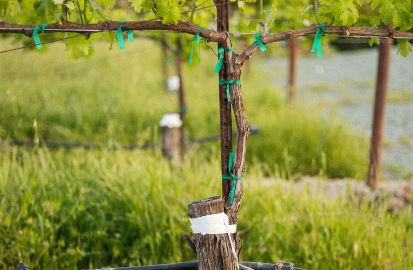
Pinot Noir and Gewurztraminer can thrive on similar terroirs, prompting winegrowers to reconsider how they allocate their vineyard sites, particularly when older Gewurztraminer vines reach the end of their productive life. In some cases, growers are choosing to top-graft Pinot Noir onto existing Gewurztraminer vines, replacing the original grape variety while keeping the established root system. This technique allows them to switch varieties without uprooting and replanting the entire vineyard, potentially bringing Pinot Noir into production more quickly and at a lower cost.
According to 2023 figures published by the American Association of Wine Economists (AAWE), Gewurztraminer, once neck-and-neck with Riesling and Pinot Blanc at around 20% of Alsace's vineyard area, has fallen to just under 18%.
Meanwhile, Pinot Noir has increased its share from approximately 10% in 2010 to around 11.5–12% in 2023.
These figures highlight a gradual shift in Alsace's vineyard landscape, with the historic, highly aromatic white grape losing ground while Pinot Noir, the new kid on the Alsace block, continues to gain prominence. Although this does not necessarily represent a direct replacement of one variety by the other, it reflects the changing priorities of winegrowers responding to both climate conditions and market demand.
Juan Antonio Lo Bello
